Understanding Your Dog

Top 10 Common Behavior Problems

These aren't bad dogs — they're dogs with natural instincts that need understanding, guidance, and compassionate training.

🐕

A Note on "Problem" Behaviours

When we refer to "behavior issues," we are speaking specifically about healthy dogs with no underlying medical conditions. From a dog's perspective, many of these behaviors are completely natural instincts — traits given by nature that once served important survival purposes.

However, once dogs enter human society and become part of our homes, they are asked to adapt and compromise many of those natural instincts. With the right guidance, they can do so — and still live a fulfilling, joyful life.

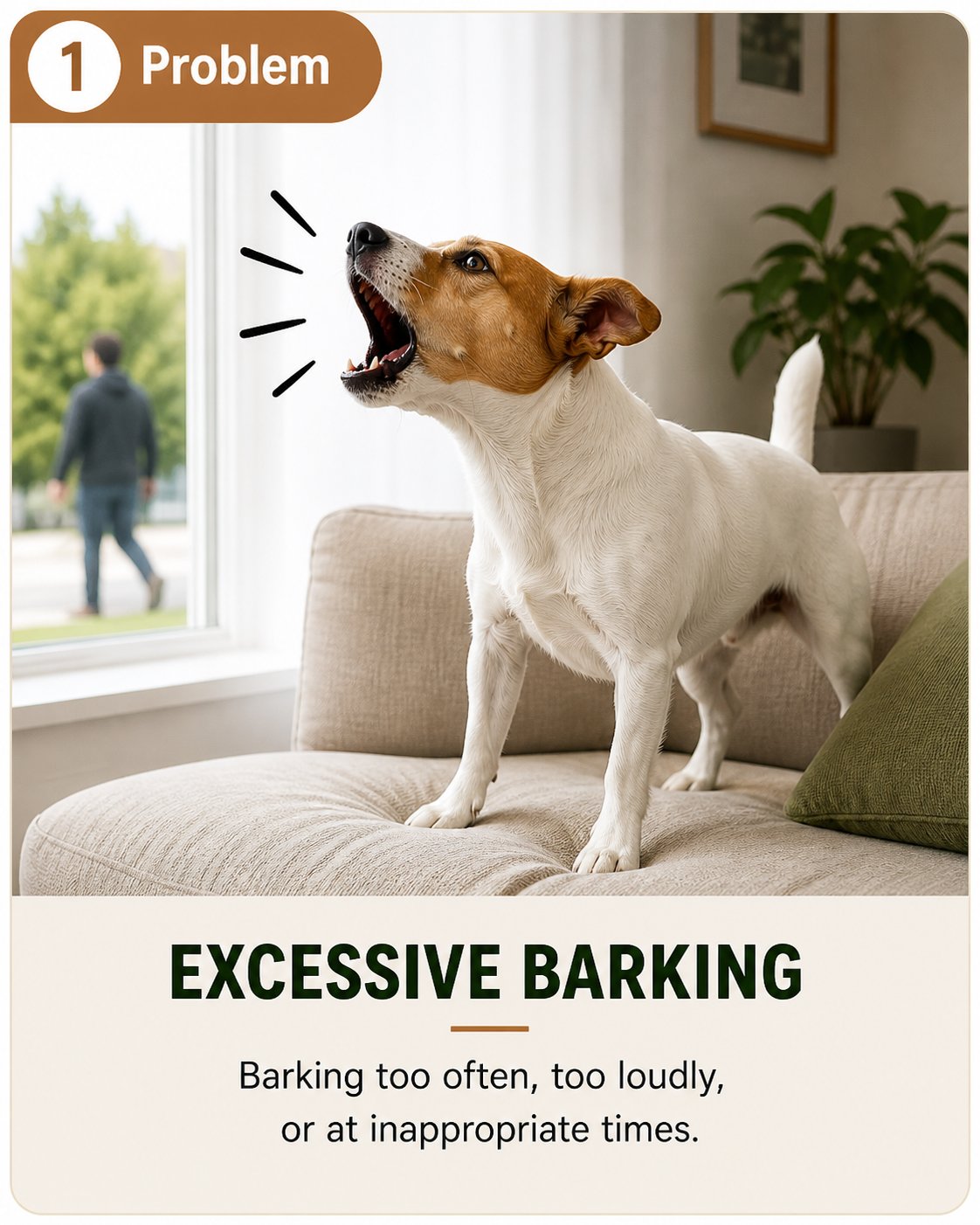
Excessive Barking
1
Problem #1

Excessive Barking

Barking too often, too loudly, or at inappropriate times — at passersby, other animals, or even shadows. While barking is a natural communication tool, excessive barking creates stress for the whole household and neighbours.

Get Help with This →
Jumping on People
2
Problem #2

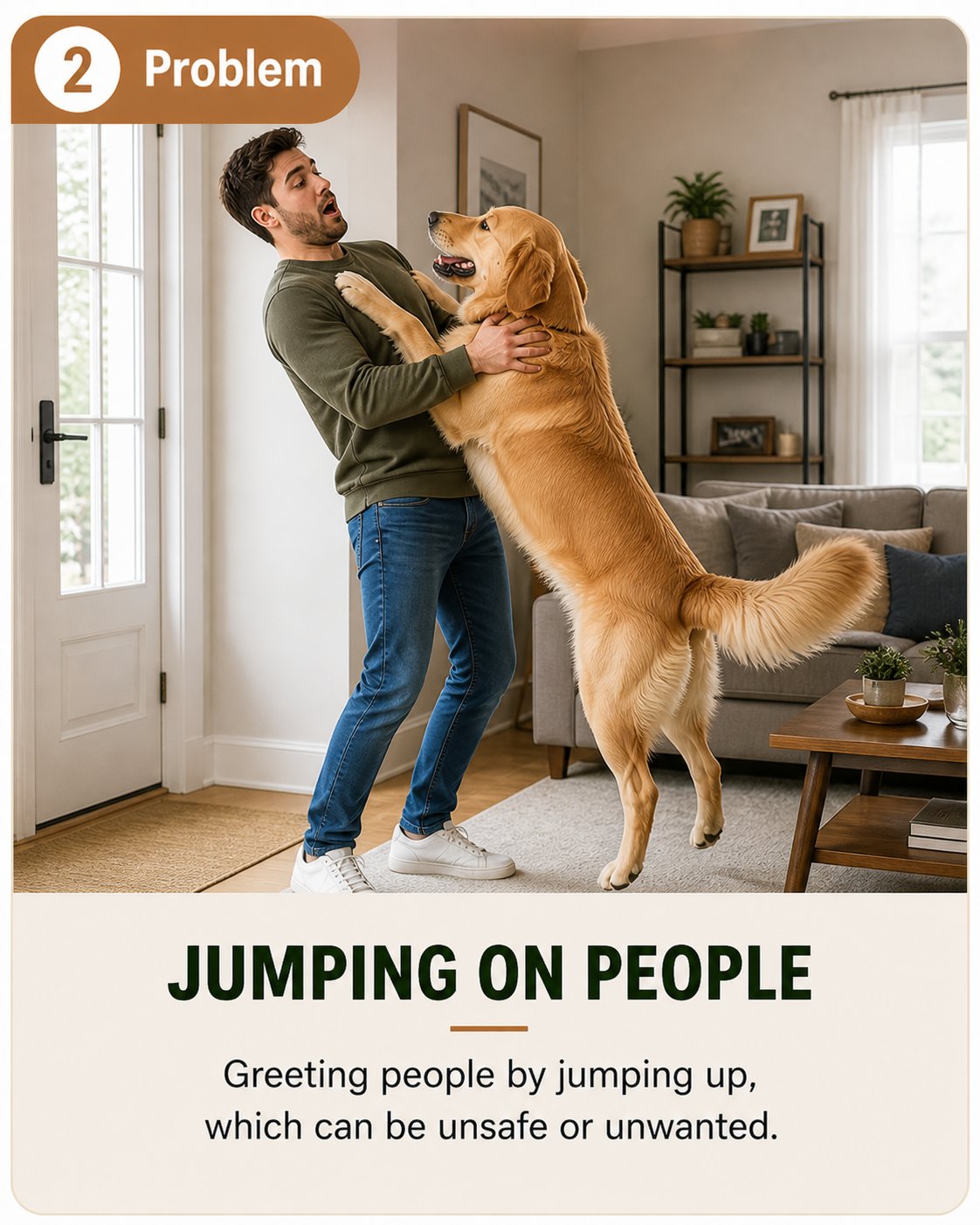
Jumping on People

Greeting people by leaping up can knock over children or elderly visitors and is perceived as threatening or rude. It stems from excitement and a desire for attention — a natural social impulse that can be redirected.

Get Help with This →
Pulling on the Leash
3
Problem #3

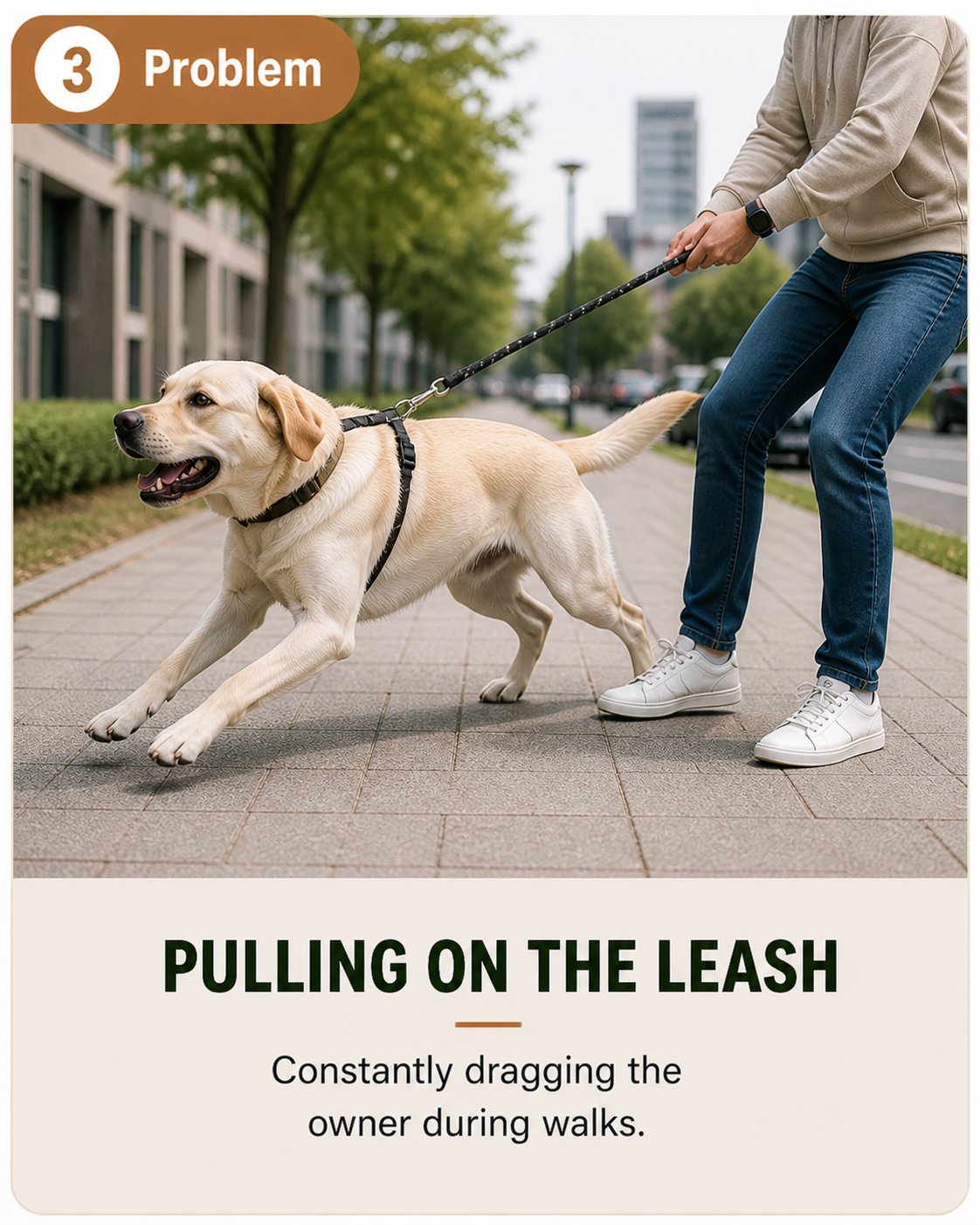
Pulling on the Leash

Constantly dragging the owner during walks makes outings exhausting and unsafe. Dogs naturally move faster than humans and are drawn by scent, sights, and curiosity — but polite leash manners make walks a pleasure for everyone.

Get Help with This →
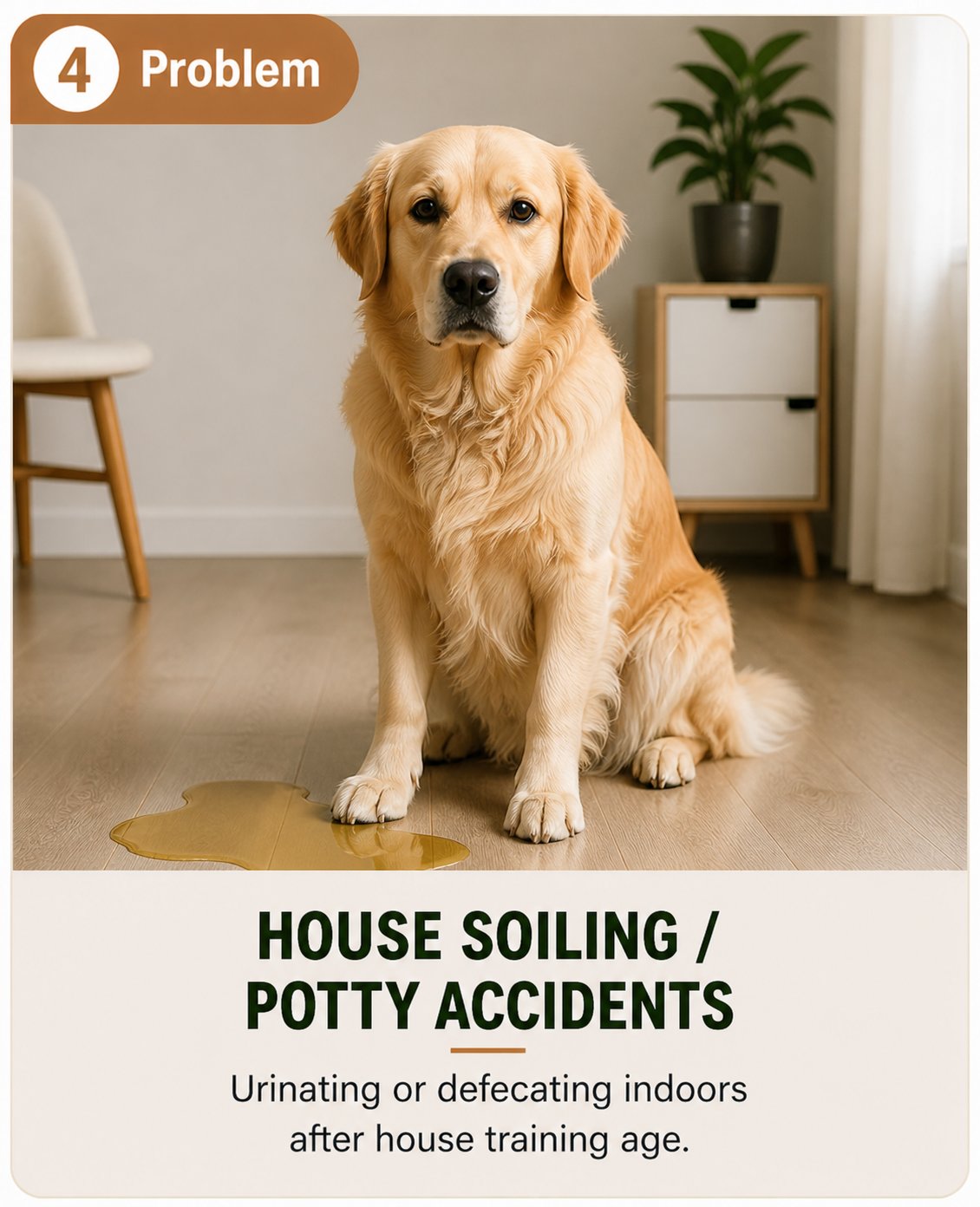
House Soiling / Potty Accidents
4
Problem #4

House Soiling / Potty Accidents

Urinating or defecating indoors after house-training age can result from incomplete training, stress, or schedule changes. With the right structure and positive reinforcement, reliable house manners can be re-established.

Get Help with This →
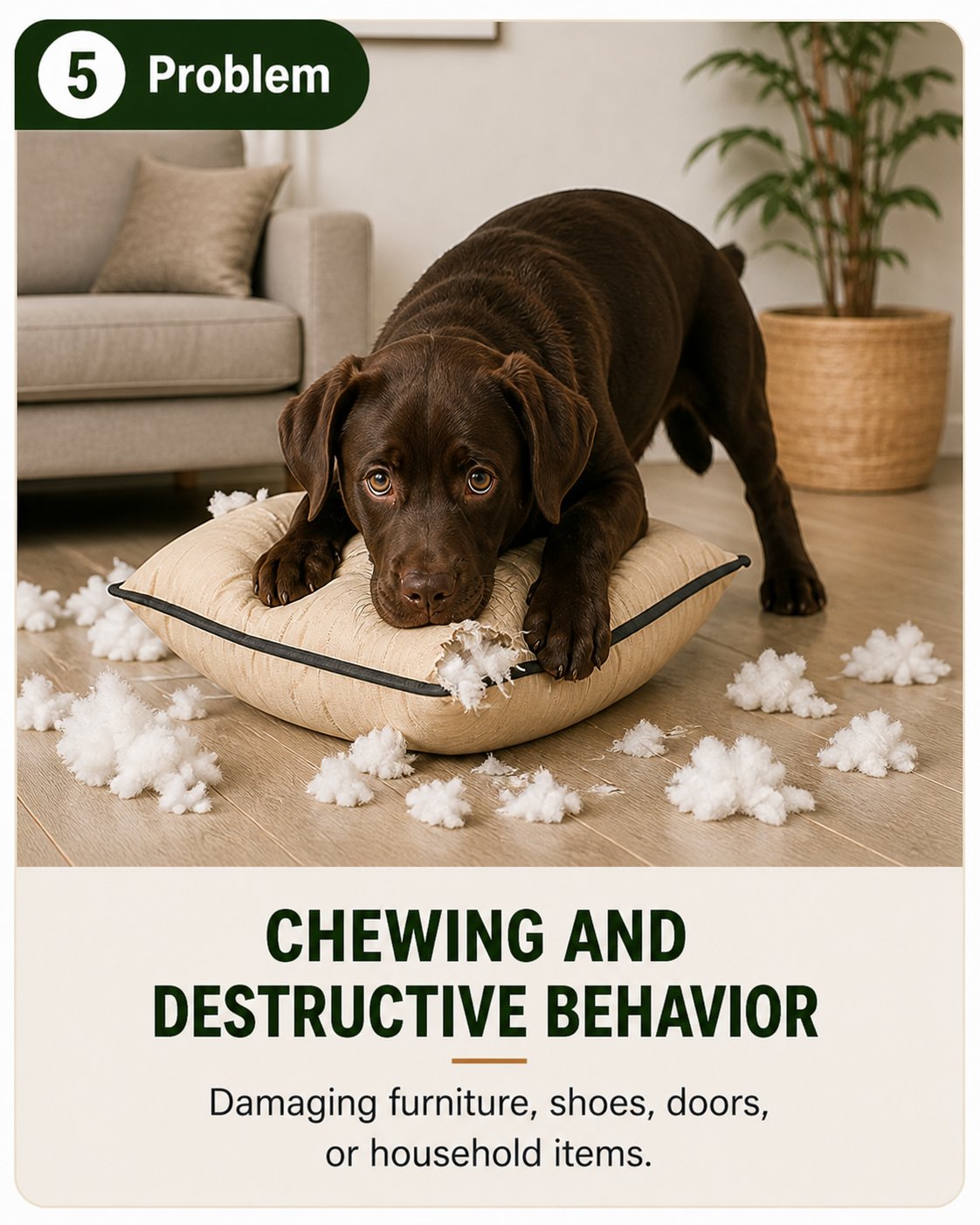
Chewing & Destructive Behavior
5
Problem #5

Chewing & Destructive Behavior

Damaging furniture, shoes, doors, or household items is often driven by boredom, anxiety, or insufficient mental stimulation. Chewing is a natural coping mechanism — redirecting it to appropriate outlets is key.

Get Help with This →
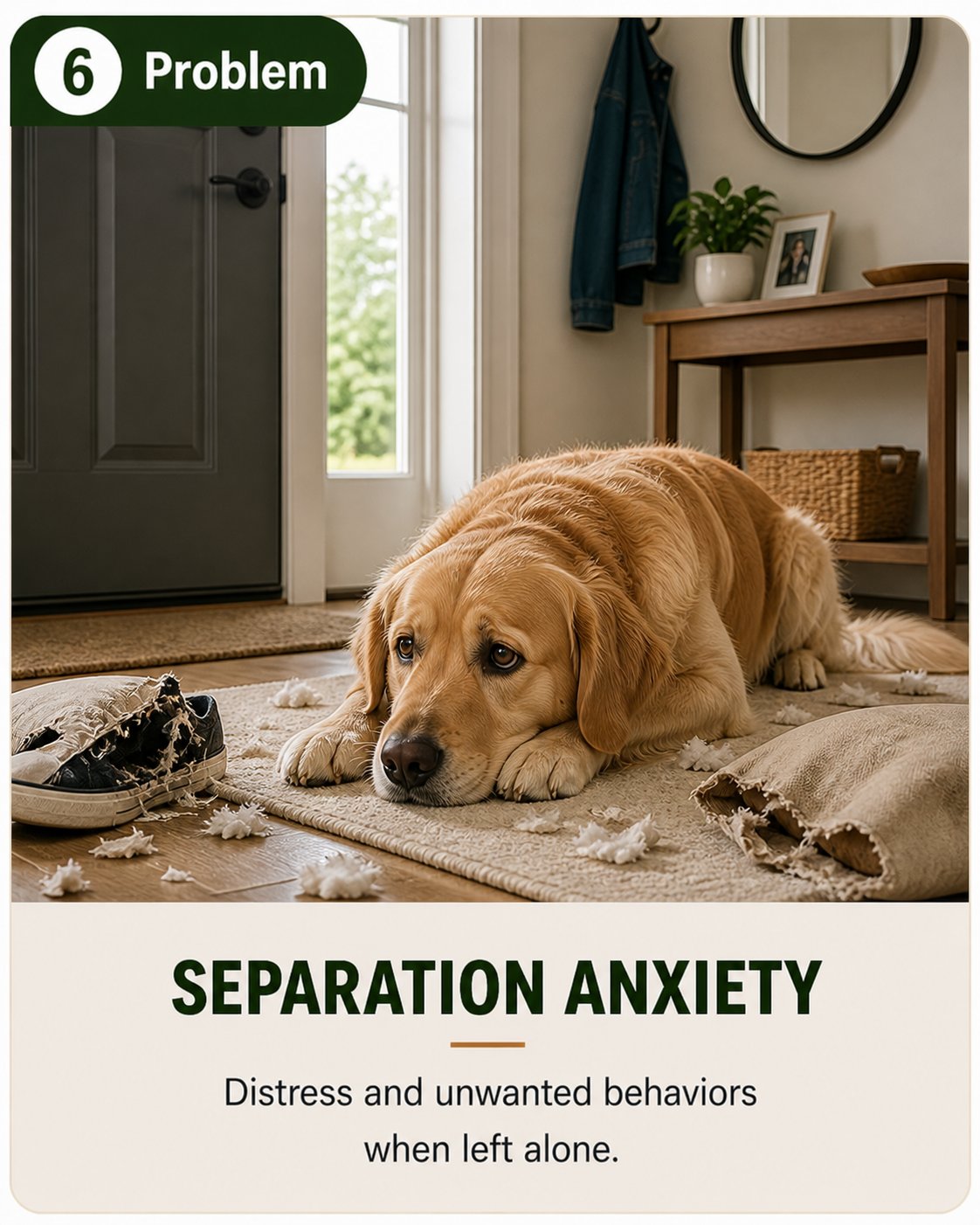
Separation Anxiety
6
Problem #6

Separation Anxiety

Stress or panic when left alone, often shown through barking, destruction, or accidents. Separation anxiety reflects a dog's deep social bond — with the right desensitisation approach, dogs can learn to feel safe and calm when alone.

Get Help with This →
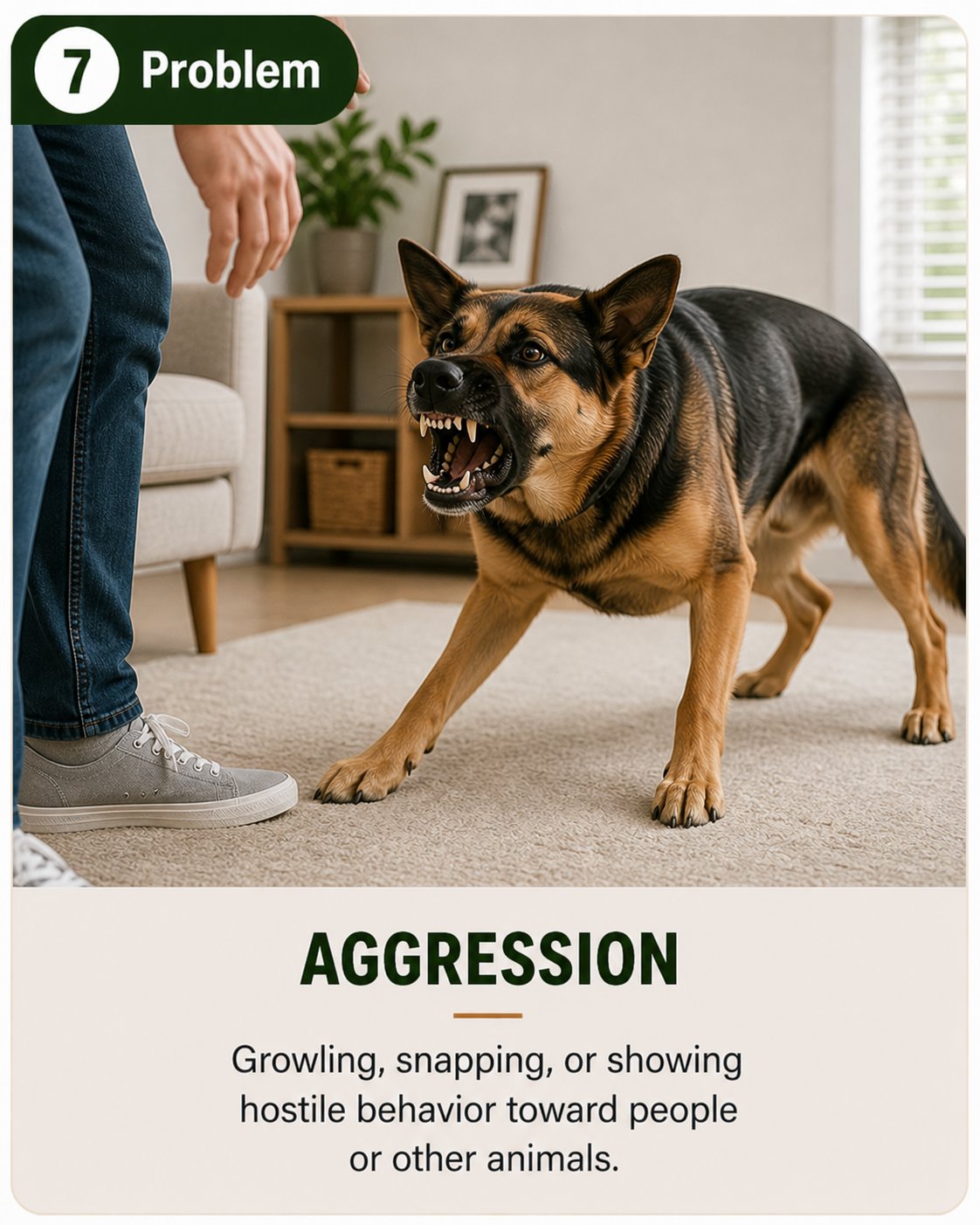
Aggression
7
Problem #7

Aggression

Growling, snapping, lunging, or biting toward people or other animals is a serious concern that requires thoughtful, professional intervention. Aggression is almost always rooted in fear, pain, or past experiences — never malice.

Get Help with This →
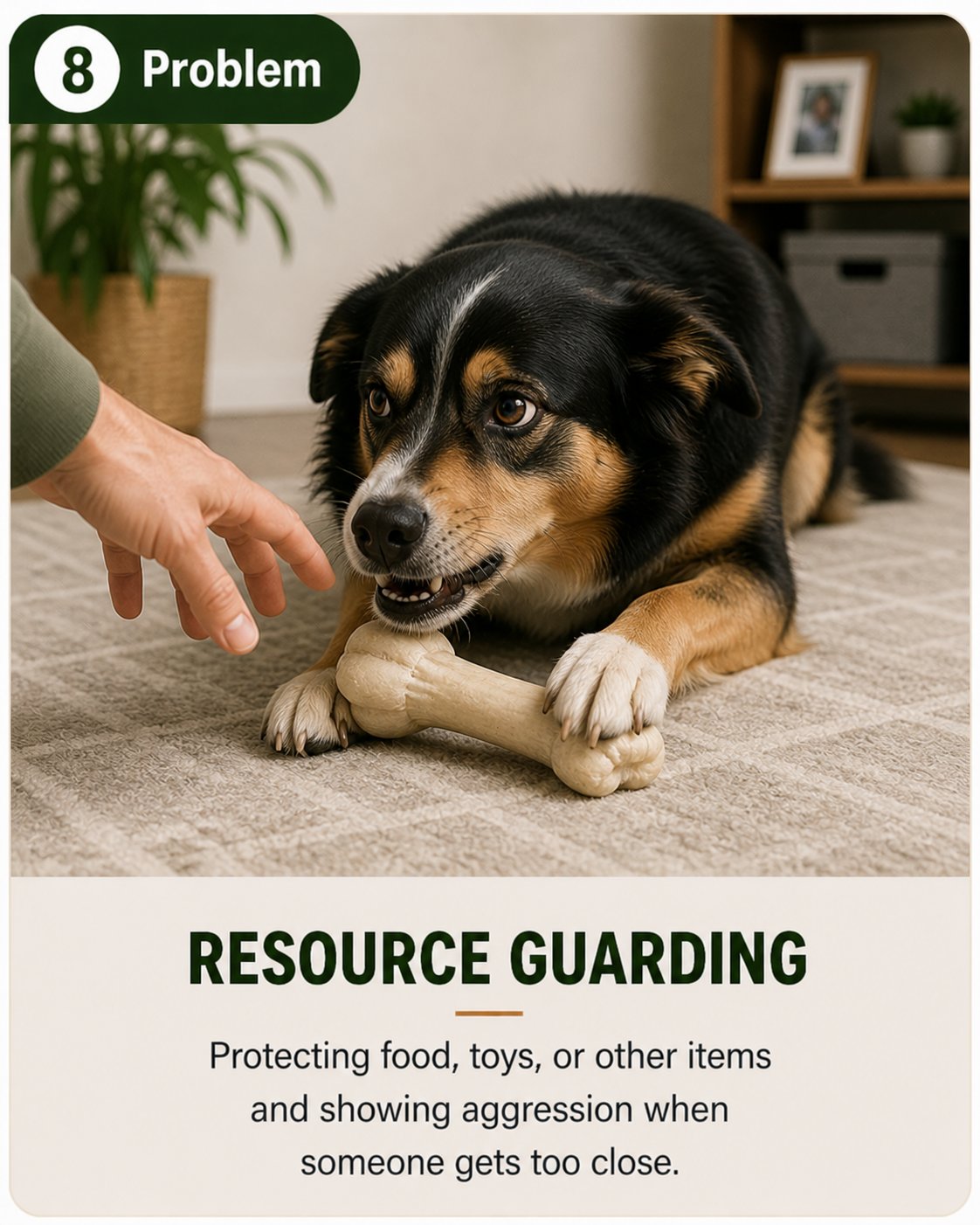
Resource Guarding
8
Problem #8

Resource Guarding

Protecting food, toys, beds, or spaces aggressively is an instinctual survival behavior. Teaching dogs that sharing and trading leads to positive outcomes helps build trust and reduces tension around valued items.

Get Help with This →
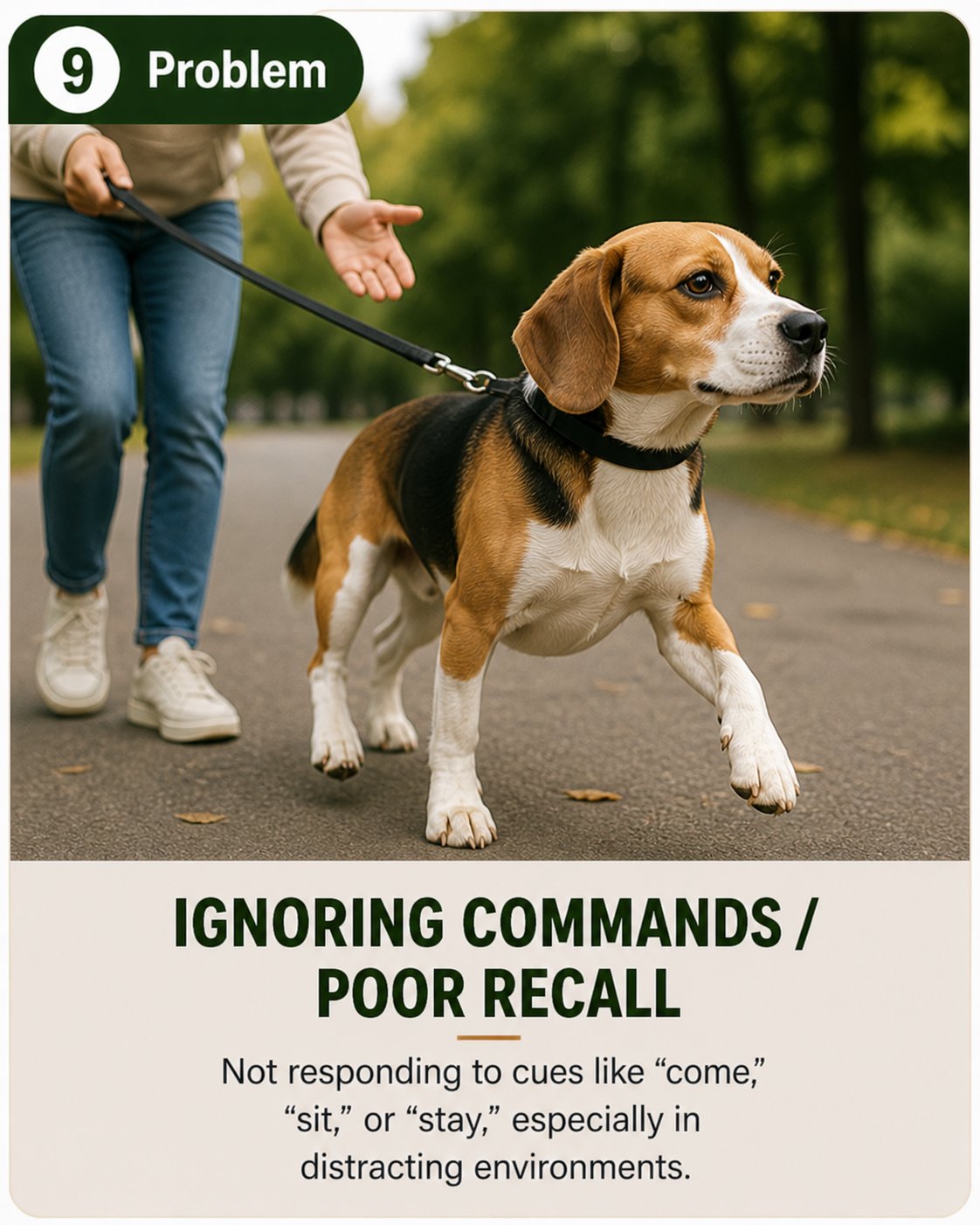
Ignoring Commands / Poor Recall
9
Problem #9

Ignoring Commands / Poor Recall

Not responding when called or refusing basic commands — especially in distracting environments — is one of the most common and potentially dangerous issues. A reliable recall can one day save your dog's life.

Get Help with This →
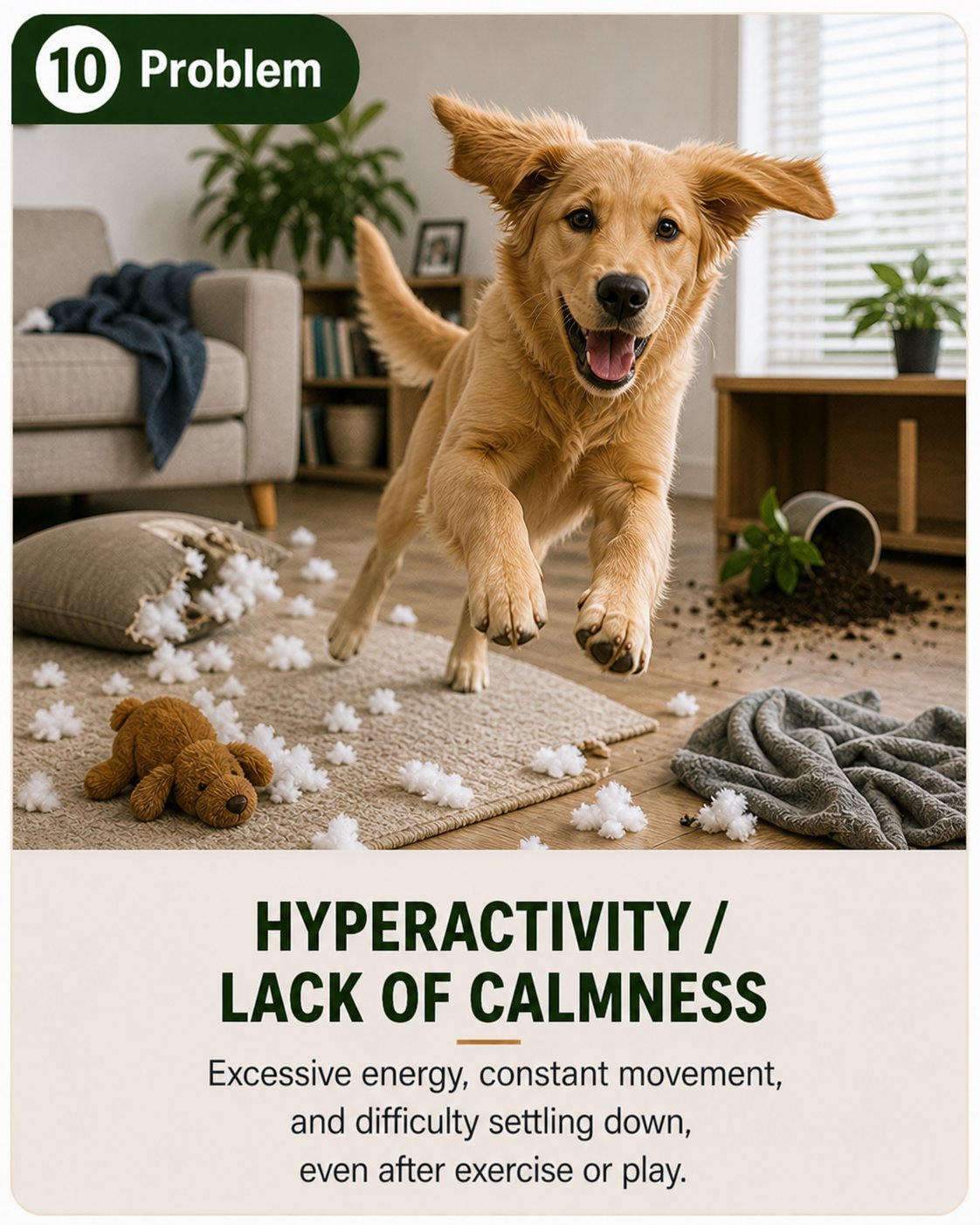
Hyperactivity / Lack of Calmness
10
Problem #10

Hyperactivity / Lack of Calmness

Constant overexcitement, inability to settle, or impulsive behaviour — even after plenty of exercise. Teaching a dog how to relax on cue is a skill, and one of the most transformative things we can achieve together.

Get Help with This →
Take the First Step

We Can Help With All of These

Every one of these behaviors responds to the right approach. Start with a free session and let us show you what's possible.

Book Free Session